
Helping Christian Teens Recover from Trauma in Nigeria
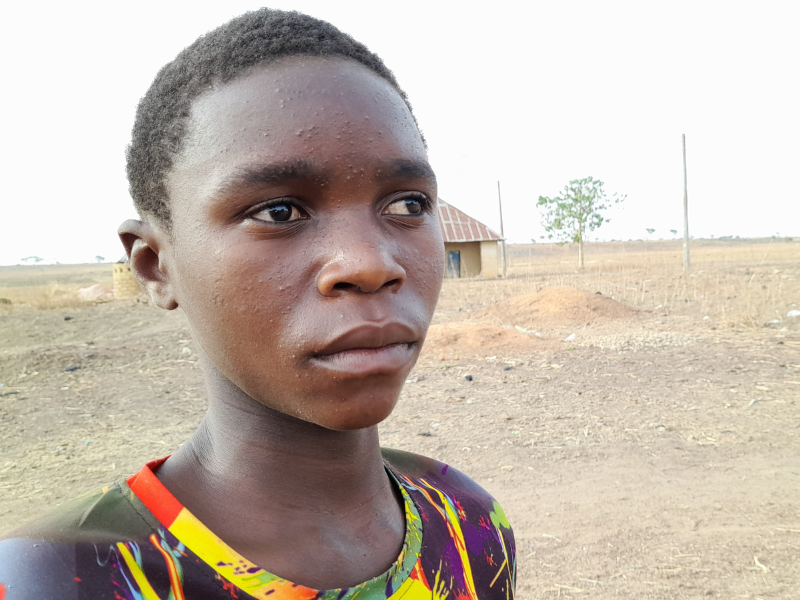
4/25/2025 Nigeria (International Christian Concern) — In the wake of escalating violence in central Nigeria, International Christian Concern (ICC) launched a trauma healing program for teenagers who have lived through unimaginable loss.
For five days in 2024, 25 teens — many of them orphaned or displaced — gathered at a pastoral center in Jos, Plateau state, to begin something they never thought possible: to heal.
Most came from Mangu, a region hit hard by recent attacks. Many had seen their homes burned, their families killed, and their futures suddenly vanish. This trauma healing workshop, run in partnership with local organization Elsabel Creations, was designed to meet a specific and growing need — helping teenagers process trauma and rebuild emotional resilience after years of displacement and insecurity.
“They killed my mother and burned my house. I have not been the same since,” one boy said quietly on the first day.
“I couldn’t talk to anyone about it before this,” added a girl whose village was attacked in 2023. “I was afraid people would say I was weak.”
The Cost of Silence
These are not isolated experiences. Between December 2023 and February 2024, ICC documented more than 1,300 Christian deaths in Plateau state alone. During Lent and Holy Week of 2025, at least 170 Christians were killed across Plateau and Benue states in coordinated attacks. Across Nigeria, more than 50,000 Christians have been killed in the past two decades.
The teenagers who attended this program are among thousands affected. And while emergency aid addresses food, water, and shelter, psychological wounds are often left untreated, especially in youth.
“We thought this pain was something we had to carry alone,” one participant said. “Now we know we can talk about it, and God is still with us.”
Faith-Based Healing, Local Impact
The trauma healing curriculum was adapted from Healing the Wounds of Trauma, a Biblically based manual used around the world in crisis zones. Trained facilitators walked participants through themes like grief, anger, forgiveness, and hope.
Activities included skits, journaling, drawing, and prayer. In a session on forgiveness, participants were encouraged to reflect on their pain and release it. Many cried for the first time since the attacks. Others sat in silence, then slowly began to share.
By the final day, the transformation was visible.
“I couldn’t sleep before I came here,” one boy said. “But I slept last night. I feel lighter.”
“We were laughing again,” a girl said. “We didn’t think we would ever laugh like that.”
ICC provided the following through the program:
- Safe lodging and meals
- Trained trauma facilitators
- Printed healing manuals and creative materials
- Transport, supervision, and follow-up support
What Happens Next
Many of the teens in this program have no access to school, basic literacy, or stable homes. ICC is working to develop additional trauma care efforts and educational support for this community and others like it. The need is far greater than one workshop can meet — but this project proved something critical: healing is possible, and these young survivors are eager for it.
“We want to help others now,” one teen said. “The way we were helped.”
You Can Be Part of This Work
ICC continues to respond to the crisis in Nigeria by supporting the victims of persecution, not only in moments of violence, but in the long road that follows.
Your support enables:
- Trauma healing workshops for children and families
- Emergency aid and community rebuilding
- Advocacy and reporting to hold perpetrators accountable
- Long-term programs for recovery, education, and dignity
The suffering is real. But so is their courage. These teens reminded us that even in the worst circumstances, faith, community, and healing can take root. And with healing, forgiveness is possible.
“We used to hate them,” one teen shared. “But this training helped us see that forgiving our enemies doesn’t make us weak. It gives us peace.”
“We were taught to pray for those who hurt us,” a girl said. “It’s not easy, but now I want to.”
Help us expand this work. Give today.
To read more news stories, visit the ICC Newsroom. For interviews, please email [email protected].