
U.S. Withdraws from Niger Amid Ongoing Terror Threats
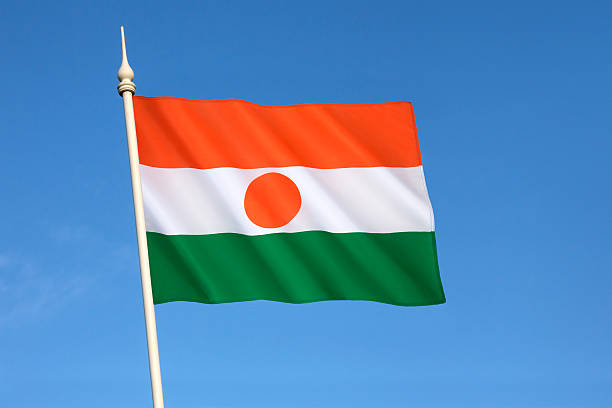
4/23/2024 Niger (International Christian Concern) — The U.S. announced this week that it was beginning to withdraw troops from Niger, a junta-run West African nation with which Washington has maintained a security partnership since 2002.
Born out of an early recognition of the growing terrorist threat in the Sahel, the security partnership had grown throughout the decades to include more than 1,000 U.S. troops in the country and the development of a drone base used to combat terrorist threats in the region.
The Nigerien military seized control of the government in a coup last July, complicating the relationship between Washington, D.C., and Niamey. Though the military claimed it was forced to take over due to a lack of action against terrorists, its attitude toward U.S.-led calls for a return to democracy suggests that this may have been a secondary motivation.
The country’s top military brass snubbed a recent delegation of American officials to Niger, and Niger announced the termination of the military partnership a day after the delegation left the country.
Niger shares a long border with Nigeria, where an ongoing terrorist insurgency threatens civilians, including Christians, moderate Muslims, and others caught in their path. The terror groups enjoy significant power in the region and take advantage of porous borders to evade anti-terror coalition forces, which are, in many cases, trained and funded by the U.S.
The disproportionate influence of the rising terrorist threat in Africa on Christian communities is nowhere as clear as in the Sahel. A variety of factors have led to years of violence and conflict in the area, a situation worsened by the Islamic State group’s open goal of eradicating Christianity from its area of control.
The Sahel is home to Islamic State West Africa Province (ISWAP), the largest IS affiliate in Africa. ISWAP, in northwest Nigeria, broke off from the Boko Haram terror group in August 2016. Boko Haram had pledged allegiance to IS in March 2015 under the leadership of Abubakar Shekau. The formation of ISWAP as a separate entity came after Shekau refused to accept an IS command to transfer the group’s leadership to Abu Musab al-Barnawi. ISWAP has grown in regional power and influence since the split.
Terrorist activity in the Sahel indicates that IS and al-Qaida are aligning, at least regionally, despite having fought each other in the Middle East. Such a union could be dangerous for the global fight against terror as it would mean the joining together of the world’s two most dangerous terrorist organizations.
Underscoring the danger of this alignment, ISWAP has had remarkable success mimicking al-Qaida tactics even while taking direction from IS. ISWAP even gives loans to young entrepreneurs and recruits fighters by providing infrastructure and social assistance to locals in need.
It is a technique stolen from the al-Qaida playbook, and ISWAP is using it to grow into the largest IS affiliate in Africa. Writing for Foreign Policy, journalist Philip Obaji Jr. argues that ISWAP is using this technique to support Fulani militants in their attacks on Christian farmers, where ISWAP views the farmer-herder conflict as “another opportunity to target Christians, who they view as a key obstacle to establishing an Islamic State in West Africa.”
For interviews, please email [email protected].